
- This event has passed.
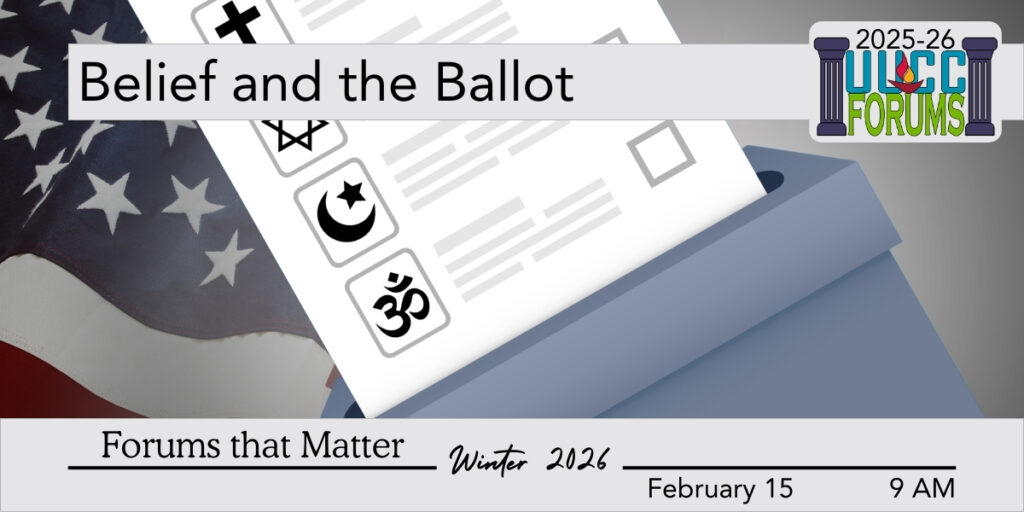
Belief and the Ballot
February 15 @ 9:00 am – 10:00 am
Speaker: Joseph White, CWRU Political Science Professor and Director, Public Policy and
Graduate Studies
How Religion Shapes U.S. Politics
Religious affiliation profoundly shapes American politics, influencing not only how people vote but also which policies they support. According to Pew Research, roughly 30% of Americans now identify as religiously unaffiliated—a group that includes atheists, agnostics, and those who describe themselves as
“nothing in particular.” Christians remain the nation’s largest religious group, while Jews account for about 2% of the population, and Muslims, Buddhists, and Hindus each make up about 1%. About 20% of Republicans and 46% of Democrats report no religious affiliation, while women in both parties tend to place greater emphasis on faith. The economy often dominates election discussions, but shifting religious identities and political alignments may be quietly reshaping how Americans vote—and how candidates frame key policy debates. How might these evolving dynamics influence voter turnout, elections and the
nation’s broader political landscape?
In person in Fellowship Hall
or via Zoom